内容目录
⤷ Glossary
⤷ 它们从何而来?
⤷ 如何识别不同品种的亚洲鲤鱼
⤷ 亚洲鲤鱼是如何影响生态环境的?
⤷ 亚洲鲤鱼是如何影响到经济的?
⤷ 目前对阻止亚洲鲤鱼继续泛滥做出的各种措施
⤷ 参考文献
↑ GLOSSARY
Biodiversity: the variety of life in a particular habitat or ecosystem
Ecosystem: a geographic area where plants, animals, and other organisms, as well as weather and landscape, interact to form a community
Invasive Species: a non-native species whose (typically human) introduction causes or is likely to cause economic or environmental harm or harm to human, animal, or plant health
Native Species: a species found in a certain ecosystem due to natural processes such as natural distribution, not introduced by human activity
Trophic Cascade: a series of changes in the population sizes of organisms at different trophic levels in a food chain, typically leading to dramatic changes in an ecosystem
Trophic Structure/Level: the position of an organism in the food chain, from a value of 1 for primary producers, such as plants, to 5 for the top level of predators
↑ 它们从何而来?
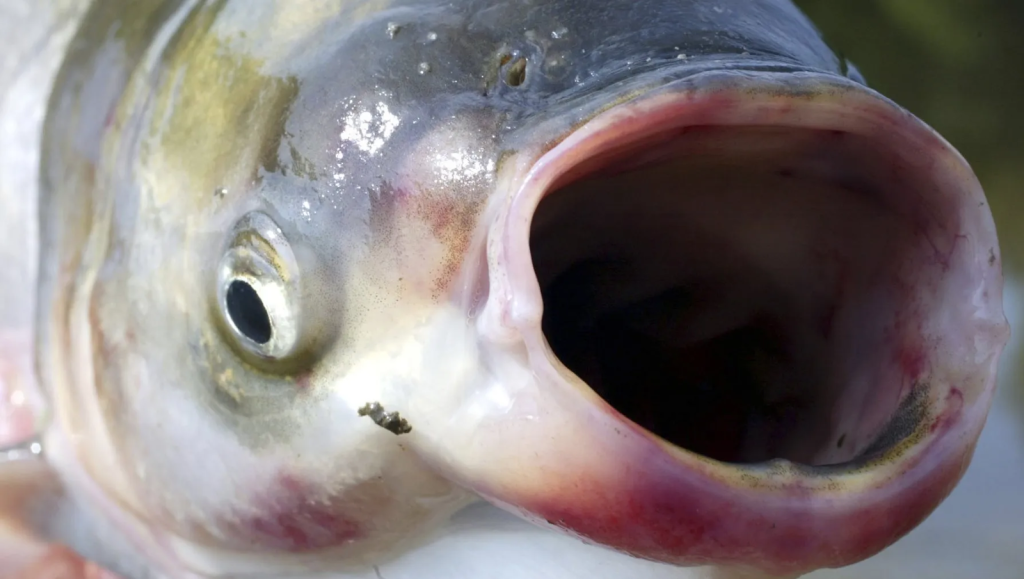
自 1960s 年代以来,不同种类的入侵鲤鱼(统称为亚洲鲤鱼)给美国各地流域的本地生态系统带来了破坏和枯竭。
There were four species of carp, collectively known as the Asian Carp, that were imported into the American ecosystems by breeders, including bighead carp, silver carp, grass carp, black carp. The state of Illinois have since renamed Asian Carp to Copi to address the public misconception of the fish. The name is a play on the word “copious,” meaning abundant. ((伊利诺伊州对亚洲鲤鱼进行重新命名和品牌重塑 | 伊利诺伊州自然资源部))
Asian carp originated in various parts of Asia and were introduced in the United States in the 1960’s to 1970’s to fish ponds, particularly in Arkansas and Mississippi. Prior to the Clean Water Act, American rivers were heavily polluted, and these fish served to maintain good water quality and assisted as a pest control by inhibiting algae growth, weeds, and parasites in various bodies of water. As they were hardy and able to survive such toxic conditions, they acted as a biological form of water treatment that excelled in treating ponds. Because they were so successful at diminishing pest populations, the use of poisons and toxins, such as herbicides and pesticides, that were previously used to control pests, was reduced. These poisons may enter the food chain or other ecosystems, disrupting the natural conditions that were set in place and bringing harm. Essentially, the Asian carp were introduced with good intentions and hopes to benefit aquatic ecosystems, but they didn’t stay that way. ((亚洲鲤鱼| 伊利诺伊州自然资源部)) ((亚洲鲤鱼概况介绍| 伊利诺伊州自然资源部)) ((入侵鲤鱼概述| 国家公园管理局))
In flooding events, the carp were able to escape into nearby rivers and waterways, gradually expanding into the Mississippi River. As a result of how well suited the carp were to a variety of environments, they quickly adapted to the waterways and began to establish populations. With invasive traits such as high fertility, female carp were capable of producing millions of eggs per year, with many of those eggs hatching and surviving to adulthood. ((入侵鲤鱼概述| 国家公园管理局))
As an invasive species, Asian carp outcompete native fish populations such as the largemouth or the freshwater bass, for resources such as space and food by feeding on plankton. Asian carp can quickly deplete food sources as they consume 5% to 40% of their own body weight everyday, depending on their species and growth stage. Furthermore, the carp are a r-selected species, meaning they reproduce rapidly in large numbers which further depletes resources out of the environment. They have no natural predators in the United States to stop their spread. Pelicans, eagles, and largemouth basses may feed on juveniles, though as they rapidly develop into large fish, there is no stable predator to keep the populations in check. Asian carp have a wide range of tolerable environments, allowing them to thrive in a multitude of moderate and productive waters such as lakes and rivers of the Midwest, with access to more food than just plankton. With these factors, Asian carp have successfully become invasive species in the Mississippi River, with the possibility of spreading to the Great Lakes in the near future and potentially destroying the ecosystem of the lakes with an uncontrolled spread wreaking havoc on a vast range of native ecosystems. ((亚洲鲤鱼| 纽约入侵物种信息))
↑ 如何识别不同品种的鲤鱼
目前在全国范围内造成环境问题的亚洲鲤鱼有四个品种,它们分别是:鳙鱼,鲢鱼,草鱼,青鱼

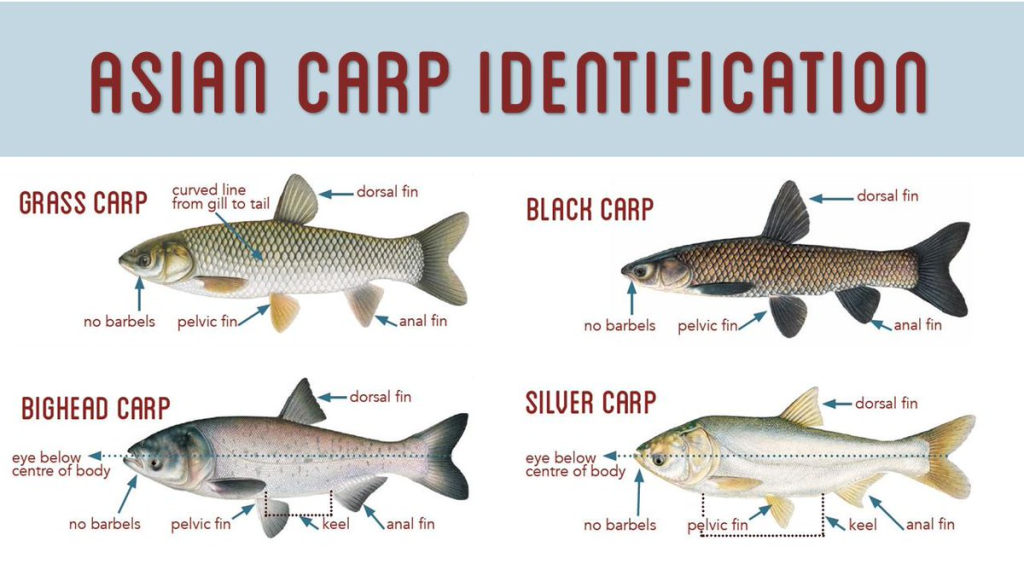
- 鲢鱼: 他们最明显的特征是当他们受惊的时候会从水中跃出,因此可能会对船体以及人体造成伤害。他们有着细长和银色的身体,它们是滤食性动物,以浮游植物为食。它们的寿命在20年左右,2年时间长到成熟体,他们的体重可达 110 磅。
- 草鲢鱼: 与鳙鱼和银鲢鱼相比,草鲢鱼的生态作用不同,因为它们是草食性的。它们最初是为了控制湖泊和池塘中的水生植物而引入的。 它们的体重可达 50 磅
- 鳙鱼: 普遍成年体在 40 磅左右,它们有着扁长的大头,身体呈银色。它们以浮游植物和各种小型生物为食,而且它们食量大,它们可以适应在各种温度的淡水环境。它们一般需要 2 到 10 年时间生长到成年体,并可以活到 8-15 年。
- 青鱼: 与其他三种鲤鱼相比,它们的数量是伊利诺伊河中最少的。 它们的身体呈深色,可以长到 5 英尺。 它们以蜗牛和贻贝等软体动物为食,它们进食的消耗量很大,对本地贻贝种群产生了负面影响。
↑ 鲤鱼是如何影响生态环境的?
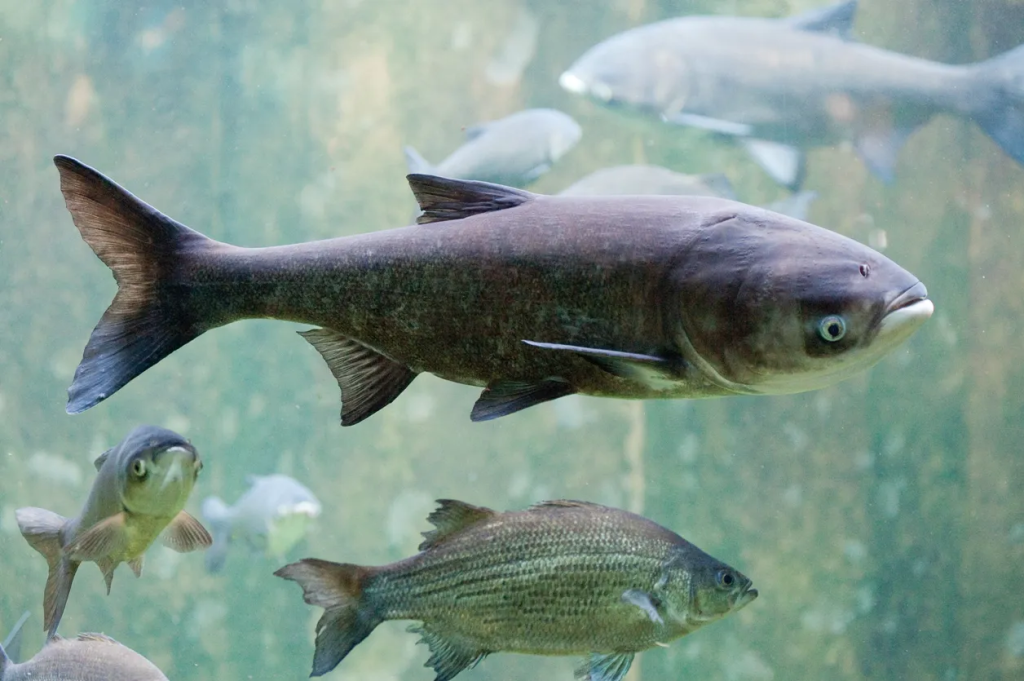
亚洲鲤鱼的快速繁殖和高摄食量使其能够在资源上与本地物种竞争。亚洲鲤鱼拥有摄食大量浮游生物的能力,而浮游生物对于水生生态系统中许多生物来说是重要的食物来源。本地物种在与鲤鱼竞争时将难以找到足够的食物,导致本地物种生殖率下降和总体数量减少,并可能使物种数量濒临灭绝。除了对本地鱼类的干扰外,黑鲤和草鲤对濒临灭绝的软体动物群体也构成威胁,因为它们也以蛤、贻贝和蜗牛为食。
The reduced populations of many native species due to the carp can destroy the fundamental food chain of the ecosystems, also known as the trophic structure, and will have cascading effects across the food web. This will affect populations of higher trophic organisms, including large fish, amphibians and birds that depend on these small organisms as a food source. Through these disruptions to native food chains and trophic structures, the presence of Asian carp puts native ecosystems at high risk of collapse. ((生态影响| 加拿大亚洲鲤鱼))
With a large population, Asian carps can also alter the physical structure and composition of habitats. They may even introduce new predators, diseases or parasites, which may further harm native species. These changes could have cascading effects across ecosystems, affecting multiple trophic levels, reshaping the landscape, and reducing overall biodiversity in aquatic ecosystems. With the adjustments to the habitats, not only are other native animal species at risk of extinction, terrestrial vegetation such as trees are at risk as well. ((入侵鲤鱼概述| 国家公园管理局))
In addition to damage already done by the invasive carp, the introduction and rapid spread of the carp has caused grave ecological concern among experts and researchers. As for the future, recent studies have confirmed that Lake Michigan and Lake Erie have environments that would allow the invasive carp to thrive. This means that if the Asian carp made it to the Great Lakes, they would drastically increase in population and cause further destruction of the ecosystems that reside in the Great Lakes. These studies provide concern that the invasive fish could destabilize or collapse the Great Lakes ecosystems if introduced. ((阻止入侵鲤鱼| 国家野生动物联合会)) ((五大湖和密西西比河流域的亚洲鲤鱼| 美国鱼类和野生动物管理局))
↑ 亚洲鲤鱼是如何影响到经济的?
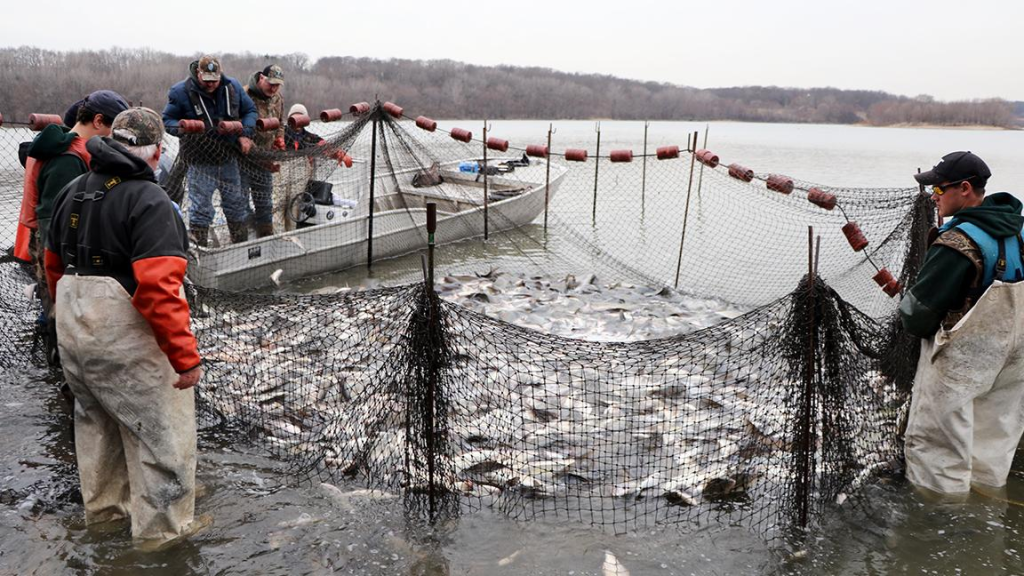
According to the Illinois Department of Resources, 20-50 million pounds of bighead carp can be caught in the Illinois River alone every year, with millions more in other waterways across the Midwest. ((伊利诺伊州对亚洲鲤鱼进行重新命名和品牌重塑 | 伊利诺伊州自然资源部))
As Asian carps have outcompeted native fish species for food and habitats, it has led to a decline in the abundance and diversity of commercially valuable fishes, subsequently affecting the commercial fish economy. Less supply of other fish species leads to economic losses for both the nation and the fishing industry. As consumers, costs for various freshwater seafood may rack up as a result. Communities, even those residing outside the United States, that rely on fishing, boating, and waterfowl hunting will be negatively impacted as they draw their income from these industries. ((经济影响| 加拿大亚洲鲤鱼)) ((五大湖流域亚洲鲤鱼的社会经济影响| 加拿大亚洲鲤鱼)) ((亚洲鲤鱼控制 Allan Brown | 美国内政部))
This can be seen with the fishermen of the Illinois river facing economic losses due to their target species becoming less abundant. For another example, the spread of Asian carp in Minnesota waters could threaten the $4 billion fishing and recreational boating industry. With carp now entering Minnesota from water systems in Iowa as well as the Mississippi River, the Department of Natural Resources says it’s time to take stock of the risks. ((入侵鲤鱼 | 明尼苏达州自然资源部)) ((报告总结了鲤鱼扩散造成的经济危害| 明尼苏达公共广播电台)) ((与 DNR 签约的商业渔民在密西西比河捕获了 30 条入侵鲤鱼 | 明尼苏达州自然资源部 [↩]))
亚洲鲤鱼也可能影响了伊利诺斯河的休闲钓鱼,由于其竞争性,钓鱼者可能很难捕获他们想要的鱼,这可能会导致钓鱼旅游业的衰退。
↑ 目前对阻止亚洲鲤鱼继续泛滥作出的各种措施
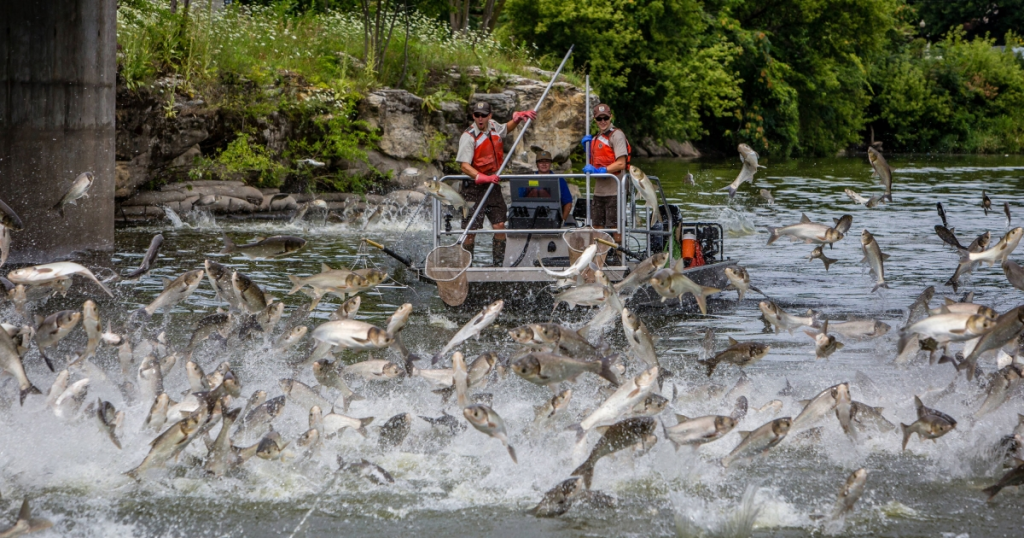
Due to the increased risk of the carp spreading further and causing more ecological damage, a variety of different and ongoing methods have been employed to control and manage the Asian carp populations and spread. ((阻止入侵鲤鱼| 国家野生动物联合会))
- The Great Lakes Fishery Commission is an organization that works to protect and enhance fishery resources in the Great Lakes. They provide public information on the biology, distribution, and control efforts of Asian Carp. The group is partnered with the Fisheries and Oceans Canada, U.S. Fish and Wildlife Service, and U.S. Geological Survey. They are a member of the Asian Carp Regional Control Committee (ACRCC); the ACRCC develops a plan each year to reduce the population of invasive carp, as well as monitoring the spread of the carp. By constantly monitoring the population spread and growth, the committee can develop the appropriate procedures to prevent the population from growing further, as well as reducing the existing population of invasive carp. These plans combat the ever growing threat that the invasive carp hold. ((入侵鲤鱼区域协调委员会| 入侵鲤鱼)) ((入侵鲤鱼| 五大湖渔业委员会))
- The US Fish and Wildlife Services, the US Geological Survey, and the US Army Corps of Engineer have worked together to build a device called the eDNA Calibration Study, which helps keep track of the Asian carp populations. eDNA stands for environmental deoxyribonucleic acid, which is any genetic material released by various organisms into environmental systems. By collecting and studying the data in the future combined with the past 5+ years, the Department of Fish and Wildlife will have a better idea on when or how to control the Asian carp population. The groups also seek to create a database that shows the population of carp which could be used for future research and mapping options. ((亚洲鲤鱼控制 Mark Gaikowski | 美国内政部))
- Installation of infrastructure and physical barriers, such as underwater electric fences or barriers made of netting or screens, has been used to keep Asian carp from moving up streams. These barriers are designed to prevent Asian carp from migrating upstream into sensitive areas or ecosystems, though not flawless as some carp can still sneak in by boat. The construction of better infrastructure and management of rivers would better protect the great lakes, and dam projects have been proposed for the future. ((亚洲鲤鱼综合控制和遏制| 美国地质调查局))
- Scientists and researchers have been exploring various biological control methods to manage Asian carp populations. These methods include the introduction of pathogens, parasites or predators specific to Asian carp. The goal is to look for natural native factors that could reduce its population size or limit its reproductive success. This is a very risky control, as the use of biological control methods is what introduced the invasive carp in the first place. Techniques are being developed to make poisons for these certain types of carp, in a form of toxic bait. Another method of biological control is the use of sound to potentially alter the behavior of the carp, but research is still ongoing. ((亚洲鲤鱼综合控制和遏制| 美国地质调查局)) ((声学鱼类威慑器 | 加拿大亚洲鲤鱼))
- 针对亚洲鲤鱼的渔业捕捞和商业捕捞已被用来清除各水域中的亚洲鲤鱼。这种方法涉及有针对性的捕鱼行动,以减少亚洲鲤鱼的数量。特别是商业捕捞已经得到推广,以激励捕捞亚洲鲤鱼,并可能带来与捕捞鲤鱼相关的经济利益。
- A recent budget agreement was passed by the U.S. House of Representatives in December of 2019 to fund efforts to control, eradicate and stop invasive Asian carp. The budget agreement includes $25 million for the U.S. Fish and Wildlife Service to combat Asian carp.The agreement also stated that $2.5 million of that budget must be allocated for contract fishing to remove the invasive carp from waters they already inhabit. Allowing for contract fishing addresses and takes action against the existing carp problem, while at the same time, this budget agreement ensures more research can be funded to prevent the carp from invading the Great Lakes. ((预算协议包括为阻止亚洲鲤鱼的努力提供资金| 国家野生动物联合会 ))
- Through the Asian Carp Market Value Program (MVP), Illinois Department of Natural Resources offers grant funding for current Asian carp processors and product-makers to support development of new markets and sales opportunities for Asian carp products. MVP’s intent is to assist the State of Illinois in meeting invasive species management goals by encouraging demand for Asian carp through business growth. The program grants funding to processors and producers of Asian carp, as well to Asian carp product consumers. The hope is that increased fishing of Asian carp can reduce ecological impacts of the carp and prevent future damages as the carp travel towards the Great Lakes. By growing the business of the invasive carp, their numbers may start to dwindle before even more significant damage can be done. ((新赠款计划可帮助公司营销亚洲鲤鱼产品 伊利诺伊州)) ((亚洲鲤鱼市场价值计划摘要| 伊利诺伊州自然资源部))
- 公众意识和教育是解决涉及相关人员福祉的问题的关键。 讨论亚洲鲤鱼入侵的潜在长期影响。 强调保护伊利诺伊州河流和其他水体生态系统需要公众支持,参与和意识。
- 亚洲鲤鱼的入侵会对当地生态系统产生深远的生态影响。 这些入侵鱼类在食物和栖息地方面超越了本地物种,这可能导致本地鱼类数量下降并改变水生群落的结构。 食物供应的这种变化可能会破坏食物网的平衡,并对依赖浮游生物的物种产生负面影响,例如幼鱼和本地滤食物种。 亚洲鲤鱼的存在可能会阻止游客前往受影响的水体,从而影响依赖娱乐活动和旅游业的当地经济。
- 公众的支持对于促进栖息地保护工作和维护生态系统的完整性至关重要。 公众参与和意识有助于培养用水者的责任感,鼓励他们采取预防措施并支持防止亚洲鲤鱼扩散的举措。 公众教育和宣传活动在防止亚洲鲤鱼扩散和保护水源方面发挥着至关重要的作用。 向公众通报与入侵物种相关的风险、影响和预防措施可以使个人采取负责任的行动。
- 对于个人而言,提高认识并接受有关防止入侵物种传播的措施的教育对于个人积极参与保护工作至关重要。 以下是个人可以采取的一些重要做法:
- 不要释放宠物。 当人们将宠物或水族植物放入当地水体时,许多入侵物种被引入新环境。 重要的是要了解,这些生物可能不是该地区的本地生物,如果它们建立种群,可能会造成严重的生态破坏,就像入侵鲤鱼的情况一样。
- 使用植物时要小心。 在水体附近进行园林绿化或园艺时,避免使用可能逃逸到野外的入侵植物物种。 为了支持水外的原生生态系统,请尽可能确保种植的植物是该地区的原生植物。
- 采取行动消除入侵物种并全天支持本地物种,例如种植本地植物或支持这样做的行业和公司。 这也可以通过参与清除入侵物种的企业来实现,例如将亚洲鲤鱼等入侵鱼类进行商业利用的企业。 支持致力于控制居住在各州的许多入侵物种种群的联邦机构。
- 划船者请注意!
- 虽然亚洲鲤鱼的捕捞可以提供大量的经济机会,例如食物来源和游钓,以及通过减少入侵物种的数量来保护环境,但鲤鱼可能对划船者构成危险。 当鱼受到船只的移动或噪音的惊吓或干扰时,亚洲鲤鱼可能会跳出水面并与划船者或他们的船只相撞。 这些碰撞可能会导致人身伤害和财产损失。
- 为了防止这种情况,一些船民在船上安装了物理屏障,以尽量减少亚洲鲤鱼碰撞的风险。 这些屏障通常被称为“鲤鱼盾”或“跳跃盾”,通常由网状或其他坚固材料制成,放置在船的前部。 提供有关在亚洲鲤鱼种群地区划船时如何保持安全的信息,例如穿戴防护装备和警惕鲤鱼活动。